Methane oxychlorination
Separate process-optimization scenarios from background-data inputs in a research model.


You may be comparing chemical production routes, evaluating a battery or photovoltaic system, or preparing an exercise that explains LCA modeling. Each task needs to connect the study’s material and energy inputs to their production background before moving from a process inventory to an environmental assessment.
Define the study object, functional unit and boundary, then organize experimental measurements, literature inventories or engineering assumptions. HiQLCD provides data candidates for relevant Chinese background processes, helping represent upstream activities beyond the scope of the experiment or literature inventory itself.
An experiment can measure reactant quantities, conversion and energy demand. Producing those reactants and supplying energy also creates environmental burdens. Background data brings those activities into the model where they fall within the study boundary, connecting the observed process to its upstream production.
The location of the research does not determine the geography of every background process. For materials or components made in China, inspect suitable Chinese records; for use and end of life in Europe, select data appropriate to those locations. A model spanning regions needs sources matched to the context of each stage.
Use your research inventory to describe material composition, process energy, direct emissions and key assumptions. Distinguish measurements, literature values and scenario assumptions, particularly for yields, losses, lifetime, recovery and functional-unit conversions.
Match records to inputs requiring background data, checking specification, technology, geography, reference unit and boundary. Combine HiQLCD with your existing background database where appropriate, retain sources and versions, and check for overlap with foreground processes.
After calculation in LCA software, interpret contributions before comparing scenarios. Explain which technology, geography or boundary conditions changed, and identify the parameters that were varied in a sensitivity analysis.
A combined model should make the boundary between your research inventory and background data visible to reviewers and students.
Use related cases to explore process scenarios, regional connections and sensitivity. Each case page develops its own scope, data and findings.
Separate process-optimization scenarios from background-data inputs in a research model.
Connect Chinese production with use in Germany and inspect how regional choices affect the model.
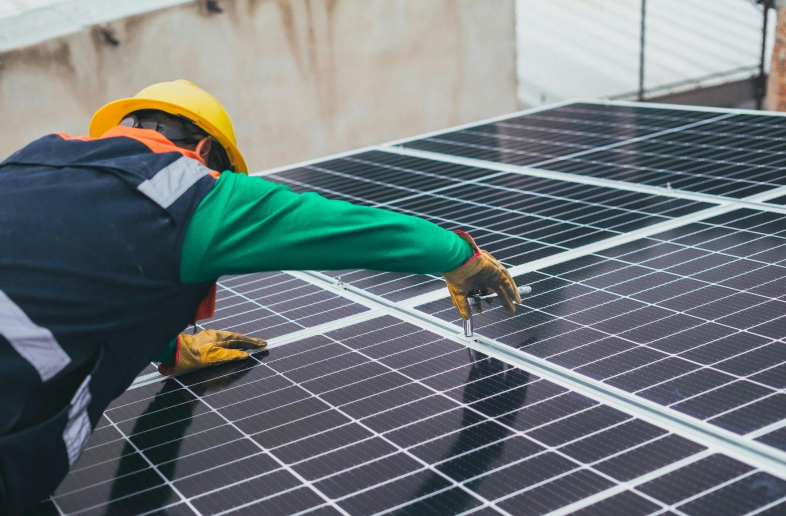
See how material utilization and process-level reconstruction can change a comparison.
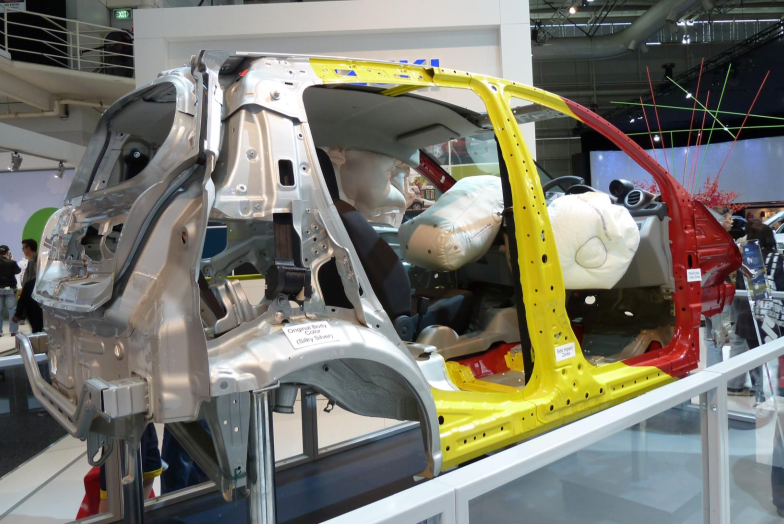
For teaching, build an exercise around two modeling runs for the same research question: document a baseline, then change only the parameters or data choices defined in advance. Ask students to explain the cause, meaning and evidence limits of the difference. This is a suggested teaching approach; data use remains subject to the relevant license.
Record dataset names, versions, geography, time coverage, system model and reference units, together with foreground inventories, proxy rationales and software-method settings. A lower result alone does not establish that a database is more accurate. Interpret comparisons against a common functional unit and the stated assumptions.
Distinguish experimental observations, model results and future scenarios in reporting. For aggregated inventories, explain which internal processes cannot be further resolved. Before publication, collaboration or course distribution, confirm what may be disclosed or redistributed: a reviewable model does not imply unrestricted sharing of its underlying data.
Inspect current records in HIQ QUERY, then discuss the modeling content, format and version required from a data package. If a research tool needs automated search or matching, confirm the API’s returned content and usage permissions.
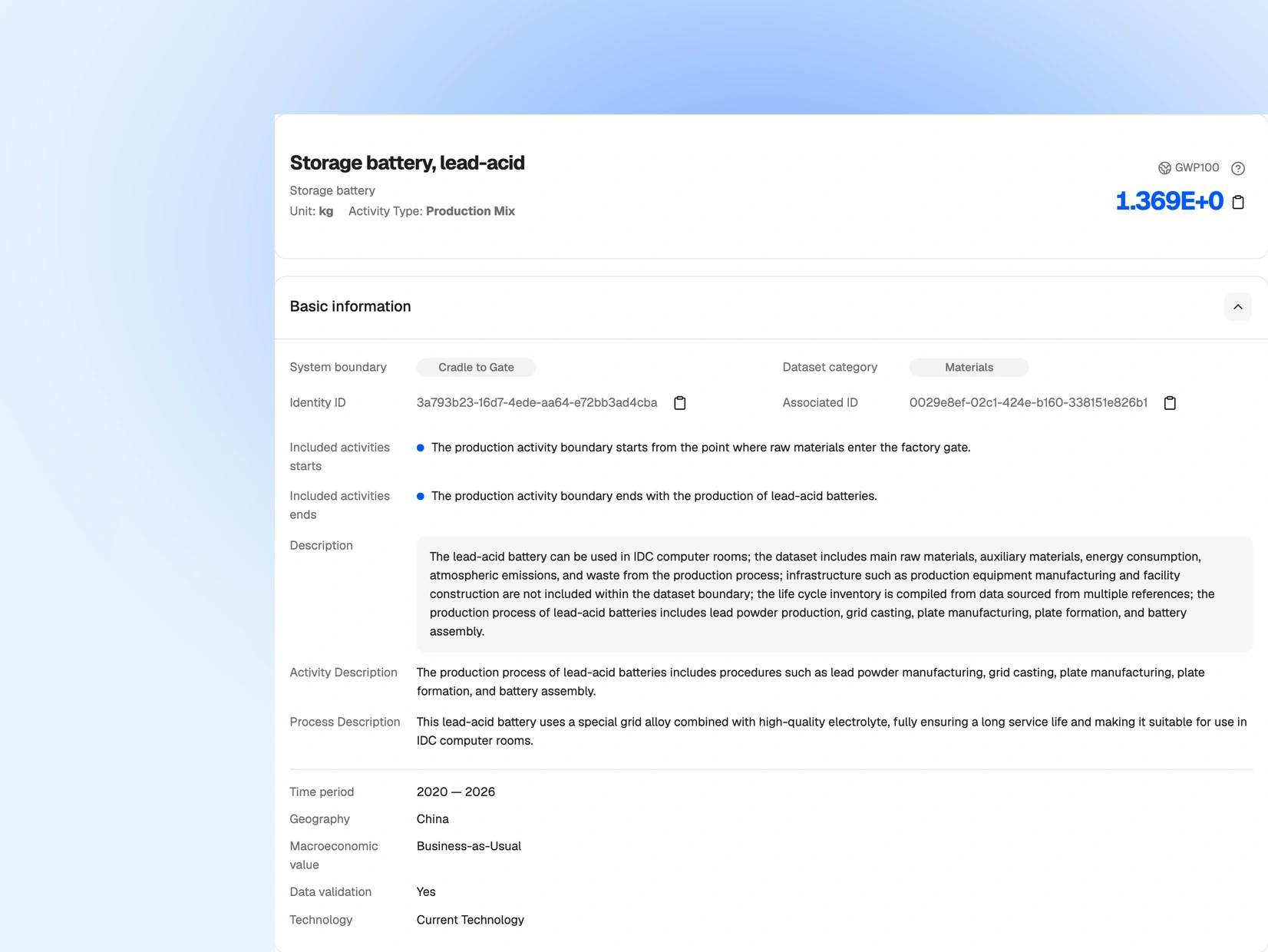
Inspect current records in HIQ QUERY before deciding which data scope fits your study or course.
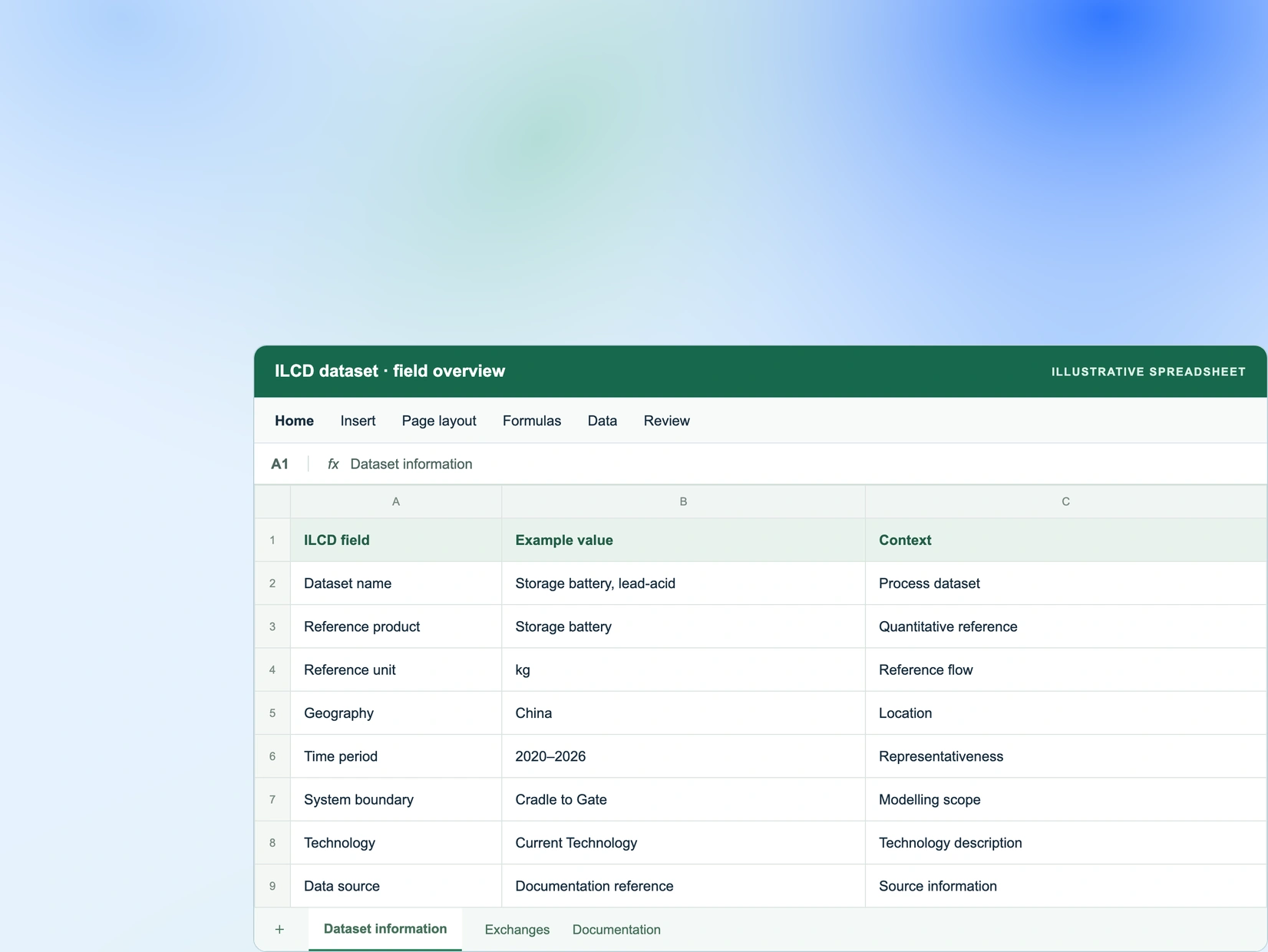
Discuss the modeling content, format, version and licensing arrangement required for your work.
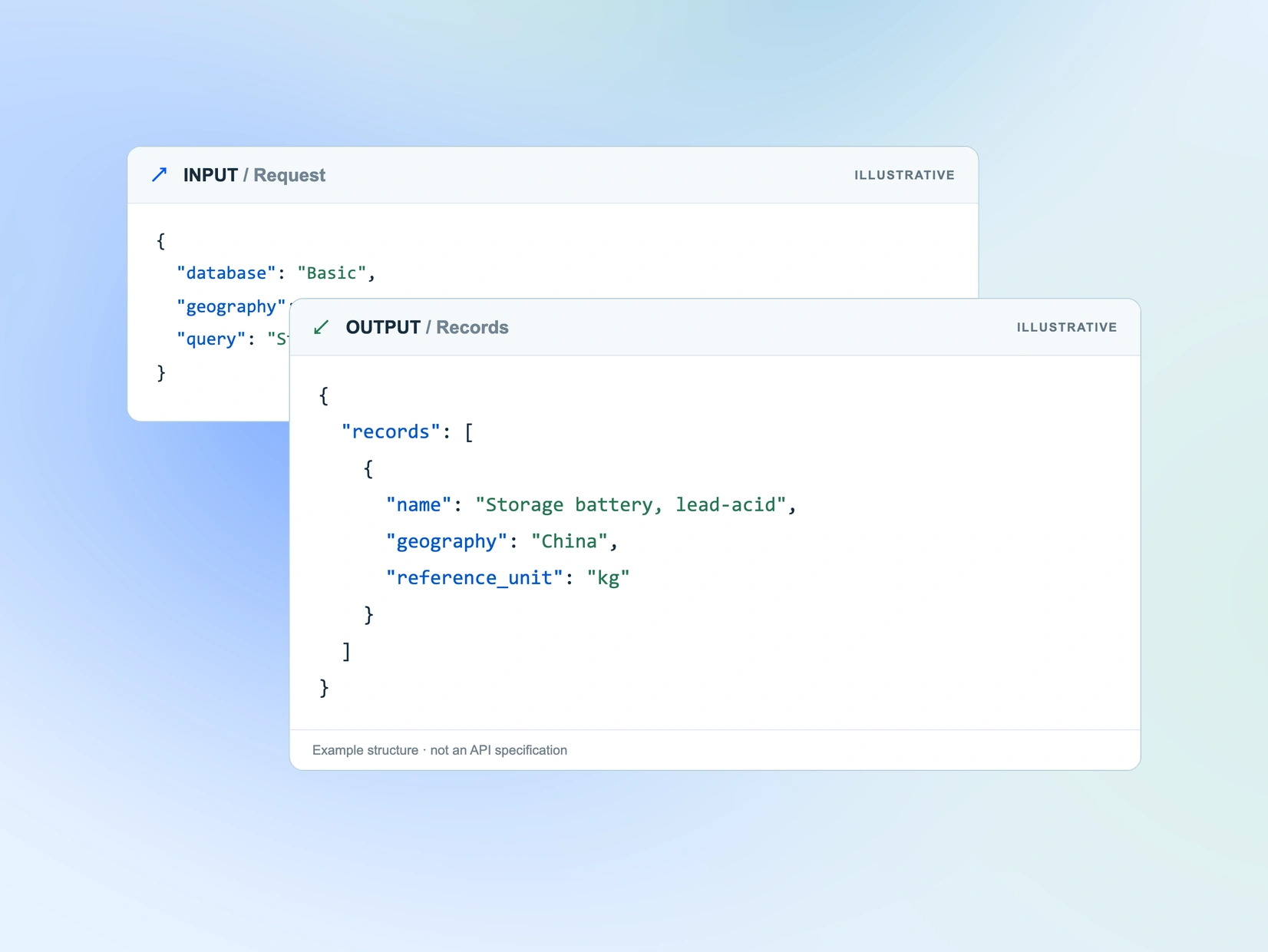
If your research tool needs automated search or matching, confirm the returned content and permissions.